How to plan a Watamu snorkelling trip around the tides
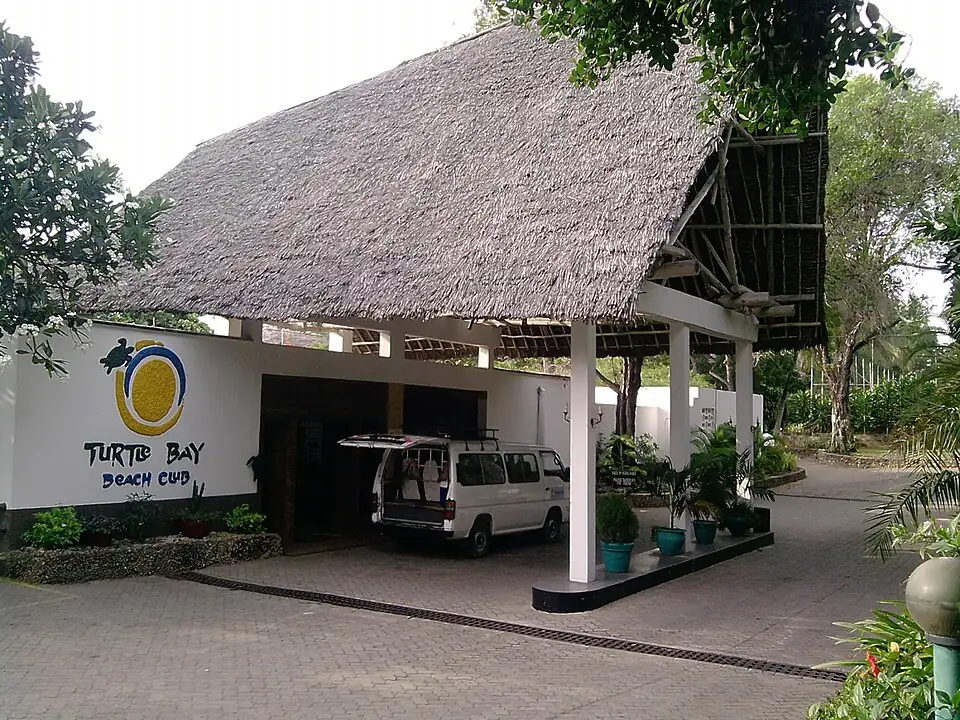
Ask your boat operator for the snorkelling window for your dates before you plan the rest of your time in Watamu. A tide table gives you a starting point. You still need to know what the sea is doing at the reef, where the boat leaves from and what suits the least confident swimmer in your group. If you have two full days, put the reef trip on the first one and keep the second flexible.
What time should you snorkel in Watamu?
Start with the conditions at the snorkel site. The tide affects how much water covers the reef and where the boat can pick you up. Wind, swell and water clarity also matter. Give the operator your travel dates and ask which departure they would choose for your group and why. Confirm the plan again before you leave your accommodation. For an overview of the reef lagoons and guided activities, see the Kenya Wildlife Service guide to Watamu Marine National Park and Reserve.
Ask for the boarding point as a map pin. A pickup described as “the beach” can leave you guessing which access path to take. Ask whether boarding involves wading, how far you’ll walk on sand and whether your return is to the same place. Share the pin with your driver and allow time for fitting life jackets and masks. Bring a dry bag for keys and phones.
Decide what everyone will do on the boat
If some of your group want to stay on board, ask about a glass-bottom boat and how much time is set aside for viewing. Ask if there’s shade and a seat for each person. For children or first-time snorkellers, check that the operator has correctly sized flotation gear and someone who can explain the entry and exit before anyone gets in. Tell them about swimming confidence when you book so they can advise on whether the planned stop is suitable.
Before you pay, ask for a written breakdown of the boat, guide, equipment, transfers and park entry. Confirm who handles park admission, what happens if the operator calls off the trip and whether you can move to your spare day. In the water, keep your fins clear of coral and follow the guide’s instructions on where to get in and out. UNESCO’s profile of the surrounding biosphere reserve explains why these reefs matter and how trampling damages them.
Give Mida Creek its own slot
Mida Creek has mangroves, tidal flats and open water. There’s a boardwalk, and local guides can help you decide what to look for from it. If birdwatching is your priority, ask when there’s exposed mud for feeding birds and bring binoculars. If you want a canoe trip, ask which window suits that route and where to meet your guide. Confirm the creek timing separately, even if your reef operator also arranges creek trips. BirdLife International’s guide to Mida Creek describes the boardwalk, birdlife and community guiding.
Keep a land option for a rough-sea day
If the skipper calls off the reef trip, check whether the next day is viable. For the gap in your schedule, consider Gede, the remains of a Swahili town where stone houses, mosques and a palace sit in indigenous forest. Bring shoes you can walk in comfortably and confirm access before setting out. See the National Museums of Kenya guide to Gede Museum.
When you browse coastal stays, check the transfer from the accommodation to the actual boarding point and whether breakfast can fit an early departure. If Watamu is one leg of a longer holiday, see PwaniStays’ coastal and cultural trip ideas for options around Mombasa and farther south.
Cover photo by Victor Ochieng, resized and converted to WebP under CC BY-SA 2.0.
